What kinds of lung diseases are there?

 The Top 8 Respiratory Illnesses and Diseases

Respiratory illness is a common problem in the United States. Many times, people are genetically more likely to get respiratory conditions, but your work place or environmental exposures could also play a big role. One thing is for sure, smoking is the most common cause of respiratory disease. UnityPoint Health pulmonologist, Jim Meyer, DO, tells us the top eight respiratory system illnesses.

Asthma

Asthma is defined as a common, chronic respiratory condition that causes difficulty breathing due to inflammation of the airways. Asthma symptoms include dry cough, wheezing, chest tightness and shortness of breath. Dr. Meyer says there is a major connection between environmental allergies and asthma. Allergic reactions, infections and pollution can all trigger an asthma attack.

“Those with persistent asthma often notice a better quality of life with the help of anti-inflammatory medication,” Dr. Meyer says. “Everyone who has asthma needs to have a rescue inhaler to open airways quickly.”

Usually, asthma starts in childhood years and progresses into adulthood. However, some people in their 60s, 70s and 80s can get adult onset asthma. Dr. Meyer says asthma is a reversible obstructive lung disease. He’s seen asthma patients who are able to improve their breathing flow rates better than those who have the respiratory disease known as COPD.

Chronic Obstructive Pulmonary Disease (COPD)

Chronic obstructive pulmonary disease is an umbrella term that encompasses several respiratory illnesses that cause breathlessness, or the inability to exhale normally. People usually experience symptoms, including shortness of breath, and normally cough up sputum (mucus from the lungs), especially in the morning. COPD can be tricky for some people to identify, because symptoms are often mistaken for the gradual aging process and body deterioration. In fact, COPD can develop over the course of several years without any signs of shortness of breath. For that reason, Dr. Meyer says COPD often goes undetected for far too long. He says the disease usually begins while people are in their 30s or 40s and then peaks during their 50s, 60s and 70s.

“This disease is generally associated with cigarette smoking. It’s rare to see people with COPD who haven’t been exposed to some sort of smoking. People can experience varying severity levels of COPD. At its most severe, it can cause people difficulty doing every day activities,” Dr. Meyer says.

Treatment includes smoking cessation, bronchodilator therapy (medication that opens the airways) and pulmonary rehabilitation, which is a supervised exercise program for people with COPD. Unlike asthma, COPD is not reversible. According to the American Lung Association, COPD is the third leading cause of death in the U.S. Dr. Meyer identifies COPD as one of the most serious and dangerous respiratory illnesses, and COPD is the number one problem seen in most pulmonology offices.

“It’s a very serious disease. Once you get COPD, you’ve got it. It’s a disease that continues to worsen, even with smoking cessation,” Dr. Meyer says.

Chronic Bronchitis

Chronic bronchitis is a form of COPD emphasized by a chronic cough. Usually people cough up sputum (mucus from the lungs), especially in the morning. Dr. Meyer says this happens because mucus glands in the airways increase output, and patients have to cough that extra secretion out. Since chronic bronchitis is a form of COPD, it’s treated the same way. People can also develop acute bronchitis, which is not a long-term disease but rather an infectious problem. It develops from a viral or bacterial infection and can be treated with antibiotics. Symptoms associated with acute bronchitis will subside once the infection has resolved.

Emphysema

Emphysema is a serious respiratory disease, which is another form of COPD. The most common cause is smoking. Those who suffer from emphysema have trouble exhaling air from their lungs. Cigarette smoke damages the air sacs in the lungs to a point where they can no longer repair themselves. Dr. Meyer says this respiratory system illness most commonly leads to respiratory failure and the need for extra oxygen to meet breathing needs. Emphysema evolves slowly over the years, and there is no cure; however, those who quit smoking are more likely to see the disease’s progression slow.

Lung Cancer

With the ability to develop in any part of the lungs, this cancer is difficult to detect. Most often, the cancer develops in the main part of the lungs near the air sacs. DNA mutations in the lungs cause irregular cells to multiply and create an uncontrolled growth of abnormal cells, or a tumor. These tumors interfere with the regular functions of the lungs.

“Far and away the most common risk factor for lung cancer is cigarette smoke. Other risk factors include radon exposure, workplace exposure, including asbestos and diesel fumes, secondhand smoke, air pollution and radiation exposure from frequent CT scans of the chest,” Dr. Meyer says. 

Symptoms can take years to appear, but include things like chronic coughing, changes in voice, harsh breathing sounds and coughing up blood. According to the American Cancer Society, lung cancer is by far the leading cause of cancer death among both men and women in the U.S.

Cystic Fibrosis/Bronchiectasis

Cystic fibrosis is a genetic respiratory disease caused by a defective gene that creates thick and sticky mucus that clogs up tubes and passageways. This mucus causes repeat, and dangerous, lung infections, as well as obstructions in the pancreas that prevent important enzymes from breaking down nutrients for the body. According to the Cystic Fibrosis Foundation, this disease affects 30,000 people in the U.S., 75 percent of which were diagnosed by age of two. Symptoms of cystic fibrosis include salty-tasting skin, chronic coughing, frequent lung infections and a poor growth rate in children. Dr. Meyer says people who have cystic fibrosis will also develop bronchiectasis.

“Bronchiectasis is a condition in which patients develop abnormally dilated bronchial tubes. This allows mucus to pool, causing frequent respiratory tract infections, wheezing and shortness of breath. There are other ways bronchiectasis develops besides cystic fibrosis, including other infections,” Dr. Meyer says.

Dr. Meyer says bronchiectasis usually develops later in life and is more common in women than men.

Pneumonia

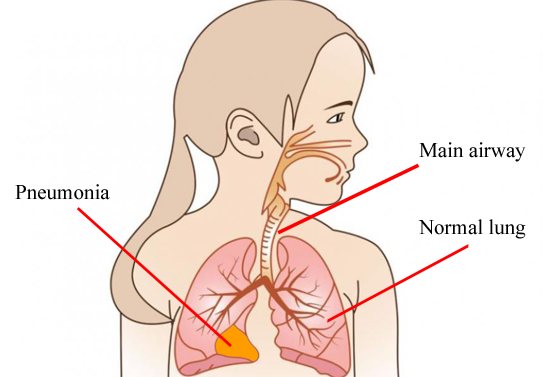
Pneumonia is a common lung disease caused by an infection in the air sacs in the lungs. The infections can be bacterial, viral or fungal. Most people can recover in one to three weeks, but for certain people, pneumonia can be extremely serious and even life-threatening.

“The very young and the very old are more at-risk for pneumonia and complications associated with pneumonia. Patients can be at increasingly susceptible to pneumonia, based on their smoking history or just their overall immune status. If they are frail or sickly, they can develop pneumonia more readily than young, healthy, well-nourished people,” Dr. Meyer says.

Symptoms, which include cough, fever, shaking chills and shortness of breath, can range from mild to severe. Dr. Meyer says it’s really important for adults over 65 or those with other chronic disease to get the pneumococcal pneumonia vaccine. Additional suggested ways to prevent this respiratory condition include washing hands frequently and getting the flu shot.

Pleural Effusion

Pleural effusion is a collection of fluid between the lung and the chest wall in what’s called the pleural space. The fluid can collect for a variety of reasons, including pneumonia, cancer or congestive heart failure. Usually patients notice symptoms of increasing chest discomfort and shortness of breath. Dr. Meyer says those with this diagnosis usually undergo a procedure to remove the fluid, which allows the lung to re-expand, allowing the patient to breathe better. Then, the fluid is tested to determine what’s causing it and a treatment plan is formed.

Additional Illness – COVID-19

The illnesses listed above have all withstood the test of time. COVID-19 is new, meaning we're still learning about it. According to the Centers for Disease Control and Prevention (CDC), COVID-19 is a respiratory illness that belongs to a large family of viruses called coronaviruses. This type of virus infects humans and animals, but this new strain has not been seen in humans before 2019. The virus seems to have originated in Wuhan, China. From what we can tell, the virus spread mainly from person-to-person between people who are in close contact with one another (within about 6 feet). Like other viruses, COVID-19 spreads through droplets released when an infected person coughs, sneezes or talks. The primary symptoms are cough, shortness of breath and fever. If you have these symptoms, please call ahead before visiting a health care facility. For more on COVID-19 please visit our coronavirus resources page.

Preventative Measures for Respiratory Disease

“My number one piece of advice to avoid respiratory system illnesses is to stop smoking and preferably, never start. Tobacco use is very difficult to overcome. It’s along the same lines of crack and heroin,” Dr. Meyer says.

Cigarette smoking either causes or worsens every respiratory disease on this list. The Center for Disease Control and Prevent (CDC) says tobacco use is the leading cause of preventable illness and death and produces 480,000 deaths a year (including deaths from secondhand smoke).

Dr. Meyer also recommends people practice avoidance in order to prevent respiratory disease. That includes avoiding sick people and places with a lot of dust or harsh chemicals.

“Hog confinement barns or hog dust exposure can cause COPD just like cigarette smoking can. I can’t tell the difference based on lung function tests between someone who has smoked for 30 years or someone who has worked in hog barns for 20 years,” Dr. Meyer says.

Dr. Meyer says to focus on the basics, too. Try to maintain a healthy weight, get adequate sleep, decrease stress, add plenty of activity and eat a balanced diet.

“Finally, be kind to yourself and be kind to others. Having that type of outlook will help you avoid illness,” Dr. Meyer says.

World No.1 Nutrition Supplement


At Herbalife Nutrition, our commitment to make the world’s best nutrition products is the same as our commitment to helping people reach their goals. That’s why we’re offering Members and customers the opportunity to meet those goals as Herbalife Nutrition Preferred Members!

you will need to fill-out the Herbalife Membership application and agreement

They will need to provide you with some basic information so that you can complete the application process:

During stressful times one of the greatest benefits of regular exercise is its ability to make everyday life a little easier.
Our nutritional programs have helped over 80 million people lose weight in over 94 countries around the world so we know we can help you too.

Preferred Customer – is a person, who is registered as a Herbalife Distributor. Being registered as a distributor does not oblige the person to in reality distribute. It only signifies that the person is registered on the Herbalife computer database and so is qualified to receive a 25% and 35% discount on all purchases. 
In the next step, you will be asked two (2) important questions during the signup process:
As a fresh Distributor, you will receive all the information that you require in order to get a great start off: 
Then complete the Sponsor Information
Please select your Country of Residence* and Language

Enter Sponsor's Herbalife ID Number:   →     W2124020
First 3 letters of Sponsor's Last Name:  →     SEN

APPLY ONLINE

Weight Management: Search to End Results Step by step Process

Step 1

Step 2


Choose The Products For Basic 
Search by SKU
  1. SKU 4809 - 1: Ultimate program French Vanilla 1 Kit
  2. SKU 0194 - 2: Personalized Protein Powder 12.7 Oz.
  3. SKU 0366 - 2: Protein Bar Deluxe: Citrus Lemon 14 Bars per Box
  4. SKU 0364 - 2: Protein Bar Deluxe: Vanilla Almond 14 Bars per Box
Use the Products as per the label 

Step 3

Personalized Program for Weight Management  

WEIGHT LOSS

Delivers proper protein, but with fewer calories to promote weight and fat loss when coupled with an appropriate exercise program. This option replaces two meals per day with a Herbalife Nutrition Formula 1 shake.

MAINTENANCE

Delivers proper protein and calories to help you maintain your weight when coupled with an appropriate exercise program. This option replaces one meal per day (breakfast) with a HerbalifeNutrition Formula 1 shake.

WEIGHT GAIN

Supplement the Daily Nutrition Plan with additional Herbalife Nutrition Formula 1 shakes, up to a total of three shakes per day.

Add 2 TBSP of Personalized Protein Powder
to each shake.


Can lungs recover from pneumonia?

 How Is Pneumonia Treated?

When you get a pneumonia diagnosis, your doctor will work with you to develop a treatment plan. Treatment for pneumonia depends on the type of pneumonia you have, how sick you are feeling, your age, and whether you have other health conditions. The goals of treatment are to cure the infection and prevent complications. It is important to follow your treatment plan carefully until you are fully recovered.

Take any medications as prescribed by your doctor. If your pneumonia is caused by bacteria, you will be given an antibiotic. It is important to take all the antibiotic until it is gone, even though you will probably start to feel better in a couple of days. If you stop, you risk having the infection come back, and you increase the chances that the germs will be resistant to treatment in the future.

Typical antibiotics do not work against viruses. If you have viral pneumonia, your doctor may prescribe an antiviral medication to treat it. Sometimes, though, symptom management and rest are all that is needed.

Most people can manage their symptoms such as fever and cough at home by following these steps:

Control your fever with aspirin, nonsteroidal anti-inflammatory drugs (NSAIDs, such as ibuprofen or naproxen), or acetaminophen. DO NOT give aspirin to children.

Drink plenty of fluids to help loosen secretions and bring up phlegm.

Do not take cough medicines without first talking to your doctor. Coughing is one way your body works to get rid of an infection. If your cough is preventing you from getting the rest you need, ask your doctor about steps you can take to get relief.

Drink warm beverages, take steamy baths and use a humidifier to help open your airways and ease your breathing. Contact your doctor right away if your breathing gets worse instead of better over time.

Stay away from smoke to let your lungs heal. This includes smoking, secondhand smoke and wood smoke. Talk to your doctor if you are a smoker and are having trouble staying smokefree while you recover. This would be a good time to think about quitting for good.

Get lots of rest. You may need to stay in bed for a while. Get as much help as you can with meal preparation and household chores until you are feeling stronger. It is important not to overdo daily activities until you are fully recovered.

If your pneumonia is so severe that you are treated in the hospital, you may be given intravenous fluids and antibiotics, as well as oxygen therapy, and possibly other breathing treatments.

Recovering from Pneumonia


It may take time to recover from pneumonia. Some people feel better and are able to return to their normal routines within a week. For other people, it can take a month or more. Most people continue to feel tired for about a month. Adequate rest is important to maintain progress toward full recovery and to avoid relapse. Don't rush your recovery! Talk with your doctor about when you can go back to your normal routine.

While you are recovering, try to limit your contact with family and friends, to help keep your germs from spreading to other people. Cover your mouth and nose when you cough, promptly dispose of tissues in a closed waste container and wash your hands often.

If you have taken antibiotics, your doctor will want to make sure your chest X-ray is normal again after you finish the whole prescription. It may take many weeks for your X-ray to clear up.

Possible Pneumonia Complications

People who may be more likely to have complications from pneumonia include:

  • Older adults or very young children.
  • People whose immune system does not work well.
  • People with other, serious medical problems such as diabetes or cirrhosis of the liver.
  • Possible complications include:
  • Respiratory failure, which requires a breathing machine or ventilator.
  • Sepsis, a condition in which there is uncontrolled inflammation in the body, which may lead to widespread organ failure.
  • Acute respiratory distress syndrome (ARDS), a severe form of respiratory failure.
  • Lung abscesses, which are infrequent, but serious complications of pneumonia. They occur when pockets of pus form inside or around the lung. These may sometimes need to be drained with surgery

World No.1 Nutrition Supplement


At Herbalife Nutrition, our commitment to make the world’s best nutrition products is the same as our commitment to helping people reach their goals. That’s why we’re offering Members and customers the opportunity to meet those goals as Herbalife Nutrition Preferred Members!

you will need to fill-out the Herbalife Membership application and agreement

They will need to provide you with some basic information so that you can complete the application process:

During stressful times one of the greatest benefits of regular exercise is its ability to make everyday life a little easier.
Our nutritional programs have helped over 80 million people lose weight in over 94 countries around the world so we know we can help you too.

Preferred Customer – is a person, who is registered as a Herbalife Distributor. Being registered as a distributor does not oblige the person to in reality distribute. It only signifies that the person is registered on the Herbalife computer database and so is qualified to receive a 25% and 35% discount on all purchases. 
In the next step, you will be asked two (2) important questions during the signup process:
As a fresh Distributor, you will receive all the information that you require in order to get a great start off: 
Then complete the Sponsor Information
Please select your Country of Residence* and Language

Enter Sponsor's Herbalife ID Number:   →     W2124020
First 3 letters of Sponsor's Last Name:  →     SEN

APPLY ONLINE

Weight Management: Search to End Results Step by step Process

Step 1

Step 2


Choose The Products For Basic 
Search by SKU
  1. SKU 4809 - 1: Ultimate program French Vanilla 1 Kit
  2. SKU 0194 - 2: Personalized Protein Powder 12.7 Oz.
  3. SKU 0366 - 2: Protein Bar Deluxe: Citrus Lemon 14 Bars per Box
  4. SKU 0364 - 2: Protein Bar Deluxe: Vanilla Almond 14 Bars per Box
Use the Products as per the label 

Step 3

Personalized Program for Weight Management  

WEIGHT LOSS

Delivers proper protein, but with fewer calories to promote weight and fat loss when coupled with an appropriate exercise program. This option replaces two meals per day with a Herbalife Nutrition Formula 1 shake.

MAINTENANCE

Delivers proper protein and calories to help you maintain your weight when coupled with an appropriate exercise program. This option replaces one meal per day (breakfast) with a HerbalifeNutrition Formula 1 shake.

WEIGHT GAIN

Supplement the Daily Nutrition Plan with additional Herbalife Nutrition Formula 1 shakes, up to a total of three shakes per day.

Add 2 TBSP of Personalized Protein Powder
to each shake.

What are some lung exercises?

 5 Easy Ways to Improve Your Lung Health

The lungs provide the body with life-giving oxygen on a moment-by-moment basis while expelling carbon dioxide waste along the way. Considering how essential these tasks are, it’s no surprise that the health of the body as a whole suffers when chronic lung problems develop. Lung exercises provide ways to help your lungs become more efficient at managing airflow and oxygen levels. Here are five easy ways to improve your lung health along with a brief overview of how your lungs work.

The Nuts and Bolts of Lung Health – Lung Function vs. Lung Capacity

The lungs have a two-fold job of delivering oxygen to the bloodstream while removing carbon dioxide from the body. Every cell in the body draws oxygen from the blood and deposits carbon dioxide as waste into the bloodstream. For people living with chronic lung diseases, such as pulmonary fibrosis and chronic obstructive pulmonary disease (COPD), the lungs have difficulty supplying the body with needed amounts of oxygen.

Lung function and lung capacity determine how efficiently the lungs deliver oxygen and get rid of carbon dioxide. Lung capacity indicates how much air your lungs can hold. It also affects how quickly air moves in and out of your lungs. Your level of lung function also determines how well the lungs deliver oxygen and remove carbon dioxide from the bloodstream.

Lung function has to do with how efficiently the body uses the oxygen it receives. Whereas lung capacity can be improved, lung function cannot. This means improving your lung health is about improving your lung capacity. Lung exercises are designed to help the body make better use of available oxygen supplies. Here are a handful of easy exercises you can do to improve your lung health and make breathing easier.

5 Ways to Improve Your Lung Health

1. Diaphragmatic Breathing

Healthy breathing uses the diaphragm, which is a dome-shaped sheet of muscle that sits between the chest and the abdomen. The diaphragm muscle should help the lungs fill with air by moving down and then push air out of the lungs as it moves back up. Commonly known as diaphragmatic or belly breathing, the abdomen rises and falls with each breath.

While the diaphragm is supposed to be the primary breathing muscle, many people unknowingly develop a habit of using muscles in the neck, shoulders and back, which greatly limits the amount of air that enters and leaves the lungs. A 2016 research study appearing in the Journal of Physical Therapy Science set out to observe the effects of diaphragmatic breathing on respiratory function. Using two groups of subjects, one group engaged in feedback breathing exercises while the other practiced diaphragmatic breathing. The results of the study showed marked improvement in lung capacity for the group that practiced diaphragmatic breathing.

In effect, diaphragmatic breathing strengthens the diaphragm muscle and, in turn, helps the lungs work more efficiently. To do this exercise, you want to breathe from your belly. It helps to place one hand on your belly and one hand on your chest as you inhale and exhale. Breathe in through the nose for two seconds and then out through pursed lips for two seconds. As you exhale, press down on your abdomen to make sure you’re engaging your diaphragm muscle.

2. Pursed-Lip Breathing

Chronic lung conditions, such as bronchitis and asthma, often result from inflamed airways that prevent air from circulating through the lungs. When this happens, stale air becomes trapped inside making it difficult for the lungs to absorb new or fresh air (and oxygen). These conditions cause you to feel short of breath much of the time. Pursed-lip breathing forces the airways to stay open longer when you exhale so stale air can be expelled and more fresh air can be absorbed.

Pursed-lip breathing lung exercises are easy to do and can be done anywhere at any time. The exercise involves inhaling, slowly, through the nose and exhaling through pursed lips. The goal is to take twice as long breathing out as breathing in, so if you inhale for five seconds, you’ll want to exhale for 10 seconds.

3. Rib Stretch

The rib stretch does exactly what it says, stretching or expanding the ribs, which helps your lungs take in as much air as possible. This lung exercise requires you to be in a standing, upright position with your hands on your hips. Slowly inhale air until your lungs fill to capacity. Hold your breath for 20 seconds or for however long is comfortable and then exhale slowly. Relax and then repeat three more times. When done on a regular basis, rib stretches help you take more air into your lungs and exhale fully so stale air doesn’t build up in the lungs.

4. Laughing and Singing

Any activity that works the abdominal muscles also works the lungs. Both laughing and singing do just that. Laughing not only increases your lung capacity but also forces stale air out of the lungs so more fresh air can enter. Likewise, singing works the diaphragm muscle, which also helps increase lung capacity.

5. Increase Your Activity Level

Increasing your daily activity level, in general, can go a long way towards improving your lung health. Something as easy as brisk walking or bike riding not only works well as a lung exercise but also improves your heart health and overall mood. A study sponsored by the Canadian Longitudinal Study on Aging demonstrated the benefits of replacing just 30 minutes of sedentary time per day with strenuous or strength-building activities. Study participants had poor respiratory function due to conditions like asthma and COPD. Results from the study showed marked increases in lung capacity, enabling participants to inhale and exhale larger volumes of air on an ongoing basis.

Things to Keep in Mind

While lung exercises work well at improving your overall lung health, if you have a chronic lung disease, it’s always a good idea to consult with your doctor before starting an exercise regimen. Also, exercise almost never produces overnight results so expect to see positive results over time and not all at once. Lastly, it’s important to listen to your body, especially if chronic lung problems are an issue. Always make it a point to exercise at a pace that doesn’t overtax your condition. All-in-all, the more active your lifestyle, the better the outcome.

World No.1 Nutrition Supplement


At Herbalife Nutrition, our commitment to make the world’s best nutrition products is the same as our commitment to helping people reach their goals. That’s why we’re offering Members and customers the opportunity to meet those goals as Herbalife Nutrition Preferred Members!

you will need to fill-out the Herbalife Membership application and agreement

They will need to provide you with some basic information so that you can complete the application process:

During stressful times one of the greatest benefits of regular exercise is its ability to make everyday life a little easier.
Our nutritional programs have helped over 80 million people lose weight in over 94 countries around the world so we know we can help you too.

Preferred Customer – is a person, who is registered as a Herbalife Distributor. Being registered as a distributor does not oblige the person to in reality distribute. It only signifies that the person is registered on the Herbalife computer database and so is qualified to receive a 25% and 35% discount on all purchases. 
In the next step, you will be asked two (2) important questions during the signup process:
As a fresh Distributor, you will receive all the information that you require in order to get a great start off: 
Then complete the Sponsor Information
Please select your Country of Residence* and Language

Enter Sponsor's Herbalife ID Number:   →     W2124020
First 3 letters of Sponsor's Last Name:  →     SEN

APPLY ONLINE

Weight Management: Search to End Results Step by step Process

Step 1

Step 2


Choose The Products For Basic 
Search by SKU
  1. SKU 4809 - 1: Ultimate program French Vanilla 1 Kit
  2. SKU 0194 - 2: Personalized Protein Powder 12.7 Oz.
  3. SKU 0366 - 2: Protein Bar Deluxe: Citrus Lemon 14 Bars per Box
  4. SKU 0364 - 2: Protein Bar Deluxe: Vanilla Almond 14 Bars per Box
Use the Products as per the label 

Step 3

Personalized Program for Weight Management  

WEIGHT LOSS

Delivers proper protein, but with fewer calories to promote weight and fat loss when coupled with an appropriate exercise program. This option replaces two meals per day with a Herbalife Nutrition Formula 1 shake.

MAINTENANCE

Delivers proper protein and calories to help you maintain your weight when coupled with an appropriate exercise program. This option replaces one meal per day (breakfast) with a HerbalifeNutrition Formula 1 shake.

WEIGHT GAIN

Supplement the Daily Nutrition Plan with additional Herbalife Nutrition Formula 1 shakes, up to a total of three shakes per day.

Add 2 TBSP of Personalized Protein Powder
to each shake.

 Exercise and Lung Health

Lung Procedures, Tests & Treatments

You already know exercise is good for you. You probably think about the way it can boost your fitness, trim your waistline, strengthen you heart and even improve your mood. But did you know that exercise can also help keep your lungs healthy?

How Does Exercise Strengthen the Lungs?

When you are physically active, your heart and lungs work harder to supply the additional oxygen your muscles demand. Just like regular exercise makes your muscles stronger, it also makes your lungs and heart stronger. As your physical fitness improves, your body becomes more efficient at getting oxygen into the bloodstream and transporting it to the working muscles. That's one of the reasons that you are less likely to become short of breath during exercise over time.

Some types of exercise can also strengthen the muscles of the neck and chest, including the diaphragm and muscles between the ribs that work together to power inhaling and exhaling.

The Benefits of Exercise

Exercise has lots of benefits for everyone, whether you are young or old, slender or large, able-bodied or living with a chronic illness or disability. Physical activity can reduce your risk of serious illness, including heart disease, stroke, diabetes and some forms of cancer, including lung cancer. Being active can help you stay active, by strengthening bones, improving flexibility and agility, reducing weight gain and improving sleep. Regular exercise is good for your head too. It can reduce feelings of anxiety and depression, improve attention and memory, and reduce the risk of dementia, including Alzheimer's disease.

What Types of Exercise and How Much?

National guidelines recommend that all adults get 30 minutes of moderate physical activity five days a week. It doesn't have to be a formal exercise program to be beneficial. Some examples of moderate activity include walking briskly, recreational bicycling, gardening and vigorous housecleaning.  

Both aerobic activities and muscle-strengthening activities can benefit your lungs. Aerobic activities like walking, running or jumping rope give your heart and lungs the kind of workout they need to function efficiently. Muscle-strengthening activities like weight-lifting or Pilates build core strength, improving your posture, and toning your breathing muscles. Breathing exercises in particular can strengthen your diaphragm and train your body to breathe more deeply and more effectively.

Some Things to Keep in Mind

Always talk to your doctor before you start or modify your exercise routine. This is especially important if you have an underlying health condition.

Avoid exercising outdoors when pollution levels are high. When the air is bad, walk indoors in a shopping mall or gym or use an exercise machine. Limit the amount of time your child spends playing outdoors if the air quality is unhealthy.

Exercising with Lung Disease

People living with lung disease can and should get regular exercise for all the same reasons as everyone else. Your lungs and heart stay stronger, you are better able to perform the tasks of daily living and you feel better in mind and body. But if you already are dealing shortness of breath, it can be intimidating to think about increasing your physical activity. It is important to work with your healthcare team to make a fitness plan that works for you.

To learn more about staying active with lung disease, check out the links below:

  • Pulmonary Rehabilitation
  • Physical Activity and COPD
  • Physical Activity and Lung Cancer
  • Physical Activity and Pulmonary Fbrosis

World No.1 Nutrition Supplement


At Herbalife Nutrition, our commitment to make the world’s best nutrition products is the same as our commitment to helping people reach their goals. That’s why we’re offering Members and customers the opportunity to meet those goals as Herbalife Nutrition Preferred Members!

you will need to fill-out the Herbalife Membership application and agreement

They will need to provide you with some basic information so that you can complete the application process:

During stressful times one of the greatest benefits of regular exercise is its ability to make everyday life a little easier.
Our nutritional programs have helped over 80 million people lose weight in over 94 countries around the world so we know we can help you too.

Preferred Customer – is a person, who is registered as a Herbalife Distributor. Being registered as a distributor does not oblige the person to in reality distribute. It only signifies that the person is registered on the Herbalife computer database and so is qualified to receive a 25% and 35% discount on all purchases. 
In the next step, you will be asked two (2) important questions during the signup process:
As a fresh Distributor, you will receive all the information that you require in order to get a great start off: 
Then complete the Sponsor Information
Please select your Country of Residence* and Language

Enter Sponsor's Herbalife ID Number:   →     W2124020
First 3 letters of Sponsor's Last Name:  →     SEN

APPLY ONLINE

Weight Management: Search to End Results Step by step Process

Step 1

Step 2


Choose The Products For Basic 
Search by SKU
  1. SKU 4809 - 1: Ultimate program French Vanilla 1 Kit
  2. SKU 0194 - 2: Personalized Protein Powder 12.7 Oz.
  3. SKU 0366 - 2: Protein Bar Deluxe: Citrus Lemon 14 Bars per Box
  4. SKU 0364 - 2: Protein Bar Deluxe: Vanilla Almond 14 Bars per Box
Use the Products as per the label 

Step 3

Personalized Program for Weight Management  

WEIGHT LOSS

Delivers proper protein, but with fewer calories to promote weight and fat loss when coupled with an appropriate exercise program. This option replaces two meals per day with a Herbalife Nutrition Formula 1 shake.

MAINTENANCE

Delivers proper protein and calories to help you maintain your weight when coupled with an appropriate exercise program. This option replaces one meal per day (breakfast) with a HerbalifeNutrition Formula 1 shake.

WEIGHT GAIN

Supplement the Daily Nutrition Plan with additional Herbalife Nutrition Formula 1 shakes, up to a total of three shakes per day.

Add 2 TBSP of Personalized Protein Powder
to each shake.